
Your AC From Installation to Replacement
An AC system does not stay the same system for its whole working life. It moves through distinct chapters: an install day that resets everything, a break-in stretch where the equipment and the household get used to each other, a long quiet middle where nothing much happens, a slower period where small signs start showing, and eventually a fork where a repair either settles things or a replacement starts the whole story over. This guide walks that full arc in order, connecting the chapters most homeowners only ever see one at a time.
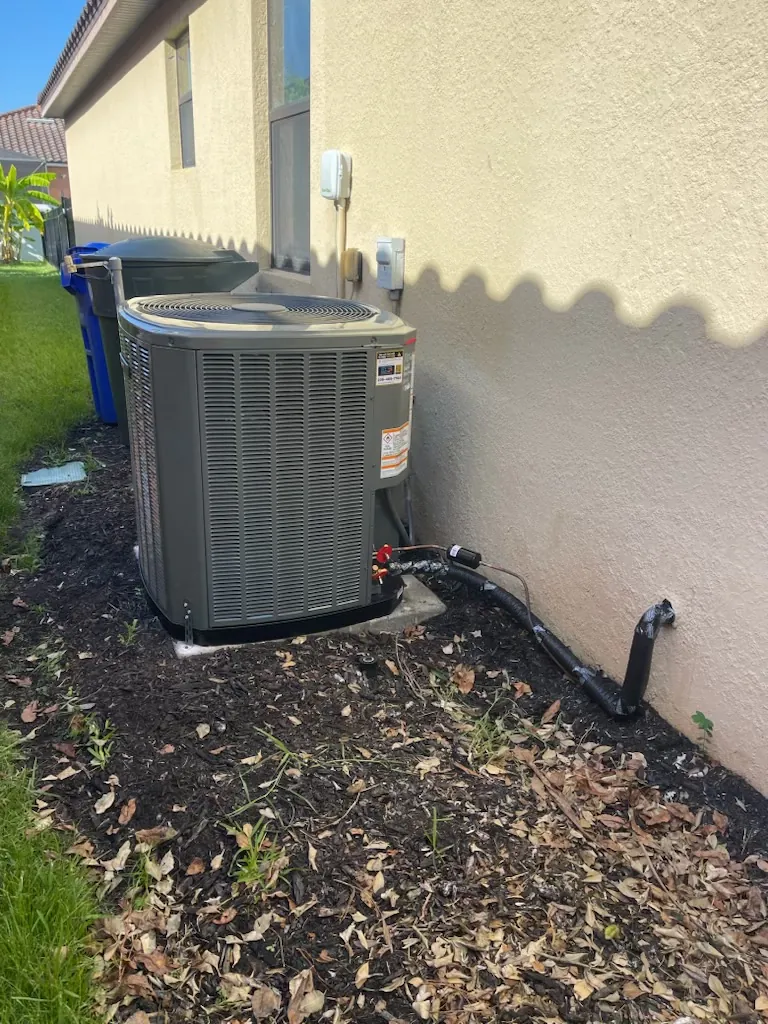
An AC Isn't One Static Thing, It's a Sequence of Chapters
It is easy to think of an air conditioner as a fixed object sitting in the side yard, working the same way on day one as it does on year twelve. In practice, a system moves through a handful of genuinely different phases, and what counts as normal, what is worth watching, and what actually needs a decision all change depending on which phase a given system is currently in.
Most of what gets written about AC systems zooms in on one chapter at a time: an install day, a specific symptom, a repair-or-replace decision at the end. This guide does the opposite. It walks the whole arc in order, install through replacement, so each chapter makes more sense next to the ones on either side of it rather than standing alone.
Chapter One: A Single Day Resets the Whole Timeline
Every system's story starts the same way: an install day that removes the old equipment and sets new equipment in its place, brazed, vacuumed, charged, and tested before the crew leaves. That process, arrival to walkthrough, is its own full story, covered hour by hour in the walkthrough of what to expect on AC installation day. Here it is enough to say that whatever chapter a system was in before, replacement wipes the slate and starts a new one.
What matters for the rest of this arc is what install day actually resets: not just the equipment sitting in the yard, but the warranty clock, the maintenance schedule, and the whole timeline this guide is about to walk through. A well done install, sized to the house with a real load calculation rather than guessed at, gives every later chapter a better starting point than one rushed or mismatched from the beginning.
Chapter Two: A Season of Getting Used to Each Other
The first stretch after install, roughly the first three months, is more like a new pair of shoes finding its shape than a pass-or-fail test. New equipment sounds and runs a little differently than what it replaced, a stack of warranty paperwork wants filing somewhere findable, and the first filter change often comes sooner than the normal rhythm because of dust stirred up during the work itself. Florida law already starts the warranty term on the installation date and keeps a manufacturer from tying coverage to a registration card, so that paperwork is a filing job, not a deadline. None of that is a system underperforming. It is just what breaking in a new piece of equipment actually looks like.
The fuller walkthrough of what is normal in those first few months, from a faint smell the first time the system runs to the handful of signs that mean a callback beats sitting tight, lives in the guide to the first 90 days with a new AC. The short version for this arc: by the end of that first season, the strange edges have worn off and the equipment reads as ordinary, and the system settles into the long stretch that makes up most of its working life.
Chapter Three: The Long Quiet Middle Where Nothing Much Happens
Most of an AC system's working life does not feel like a chapter at all. Once the break-in period ends, a well maintained system tends to fade into the background for years at a stretch, cooling the house without asking for much attention. That quiet is the goal, not a coincidence, and it is also the easiest stretch to get complacent about, since nothing looks visibly wrong.
This is exactly the chapter where the twice-a-year rhythm of maintenance does its most important work, catching a weakening capacitor or a coil starting to get dirty long before either becomes a breakdown. Filters still need attention on their own schedule too, every month or two for most Florida homes, sooner, every two to four weeks, with pets, dust, or a system that barely shuts off through summer. Not one of the individual visits in this chapter feels eventful, and that is exactly what a system aging well is supposed to look like.
Chapter Four: When the System Starts Talking Back
Eventually, quiet gives way to a few small signals: nothing dramatic, nothing sudden, just the system starting to feel a little less effortless than it did in the chapter before. Any one of them can show up and mean very little by itself, which is exactly why this chapter is about noticing the shift, not reacting to the first sign of it.
What actually carries weight here is how things have trended over the last year or two, not a single visit taken on its own. A system can carry a small sign or two lightly for years and keep doing its job well. The point of this chapter is not to react to the first sign of aging. It is to start paying attention, so the next chapter, whichever direction it goes, is a decision made with information instead of a scramble. A technician who has already seen the system on a previous visit is also better positioned to catch a small shift than someone walking in cold for the first time, which is part of why the twice-a-year rhythm matters as much here as anywhere else in the arc.
Chapter Five: The Fork Between Another Repair and a Replacement
Not every failure in this chapter means the same thing. A small, self-contained part failing is a normal repair no matter how old the system already is. Something closer to the core of the system is a different story, and carries a lot more weight toward the decision ahead. Reading which side of that line a specific failure sits on takes an actual look at the part in question, not a guess based on the number on the nameplate.
The full framework for weighing that decision, what to ask, how to read the pattern, when a repair still makes sense, lives in the guide to AC lifespan and replacement. The short version here is that this chapter is not about the age printed on the nameplate. It is about whether the pattern of what keeps failing points back toward chapter three, or forward to the next one.
Chapter Six: Replacement Starts the Whole Story Over
When the decision does land on replacement, it is not really an ending, it is chapter one again. A new install starts a fresh 10-year parts warranty, with the 10-year labor warranty available as an add-on. A free written AC installation estimate includes a real load calculation measured at the house, not a rule-of-thumb guess, so the new system's whole timeline starts from a better foundation than a rushed or mismatched one would. Filing that install date somewhere findable is worth doing the same week, since it is the one piece of chapter one paperwork that only matters years later, in whichever future chapter finally tests the warranty.
Financing is available for homeowners who would rather spread that reset out than pay it all at once, and the same hour-by-hour install day covered earlier in this arc happens again, this time for the household's own equipment. From here, the story simply loops: a break-in season, a long quiet middle, and eventually another version of this same fork, years down the road.
The Thread That Runs Through Every Chapter
No matter which chapter a system is actually in right now, one habit matters in all of them: the $99-per-visit Annual Comfort Plan, two visits a year, pre-season and post-season, each a full inspection rather than a quick look. It is what catches a break-in quirk early, keeps the quiet middle quiet, flags the first real signs of aging before they become a pattern, and gives an honest read on which side of the repair-or-replace fork a system is actually standing on when something finally breaks.
Tyler, Guiseppi, or someone from their team can look at a system at any point in this arc, whether it is three weeks old, ten years in, or sitting right at the fork between another repair and a replacement, and give a straight answer about which chapter it is actually in. Knowing the whole story ahead of time is what turns each individual decision into part of a plan instead of a reaction to whatever just broke.
Not Sure Which Chapter Your AC System Is In?
Call or text (239) 350-5234. Tyler, Guiseppi, or someone from their team can take a look and give you a straight read on where your system actually stands in its own arc.